
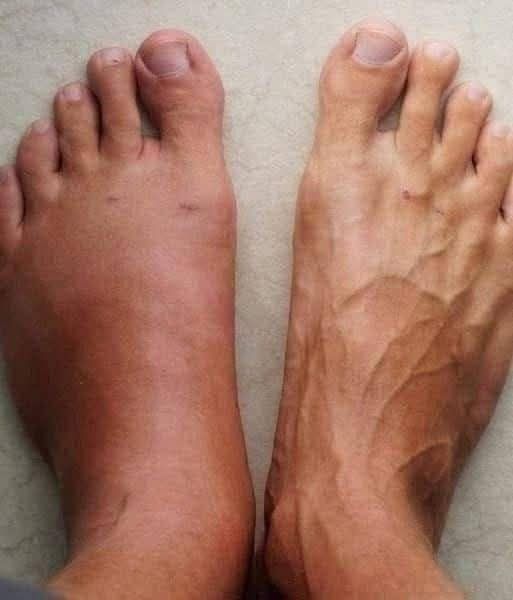
Heart attacks are one of the leading causes of death worldwide, but what if we told you that your body often sends warning signals weeks before it happens? Recognizing these signs could save your life or the life of someone you love. In this article, we’ll dive deep into the 7 crucial warning signs your body may show a month before a heart attack. Don’t ignore these red flags – they could be your body’s way of crying out for help.
1. Unusual Fatigue
Feeling excessively tired, even after a good night’s sleep? This could be more than just stress or a busy schedule. A month before a heart attack, many people report unexplained fatigue. This happens because your heart is struggling to pump blood efficiently, leaving you feeling drained. If you notice persistent exhaustion, especially if it’s out of the ordinary, it’s time to pay attention.
2. Shortness of Breath
Your heart and lungs work closely together, so when your heart isn’t functioning properly, your breathing can be affected. Shortness of breath, even during light activities like walking or climbing stairs, is a common warning sign. This occurs because your heart isn’t delivering enough oxygen to your body, leaving you gasping for air.
3. Chest Discomfort (Angina)
Chest pain or discomfort is one of the most well-known heart attack symptoms, but it doesn’t always happen suddenly. A month before a heart attack, you might experience mild chest pressure, tightness, or a burning sensation. This discomfort may come and go, making it easy to dismiss. However, it’s a clear signal that your heart is under stress.
4. Persistent Indigestion or Nausea
Did you know that digestive issues can be linked to heart problems? Many people mistake heart-related nausea or indigestion for a stomach problem. If you experience ongoing nausea, vomiting, or a feeling of fullness without a clear cause, it could be your heart sending an SOS. This happens because reduced blood flow to the heart can irritate the diaphragm and nearby nerves.
5. Dizziness or Lightheadedness
Feeling dizzy or lightheaded for no apparent reason? This could be a sign that your heart isn’t pumping enough blood to your brain. A month before a heart attack, you might notice frequent episodes of dizziness, especially when standing up or exerting yourself. Don’t brush it off as dehydration or low blood sugar – it could be something more serious.
6. Unexplained Sweating
Breaking out in a cold sweat, even when you’re not exercising or in a hot environment, is a red flag. Excessive sweating, particularly if it’s accompanied by other symptoms like chest pain or fatigue, could indicate that your heart is struggling. This happens because your body is working overtime to keep your heart functioning.
