
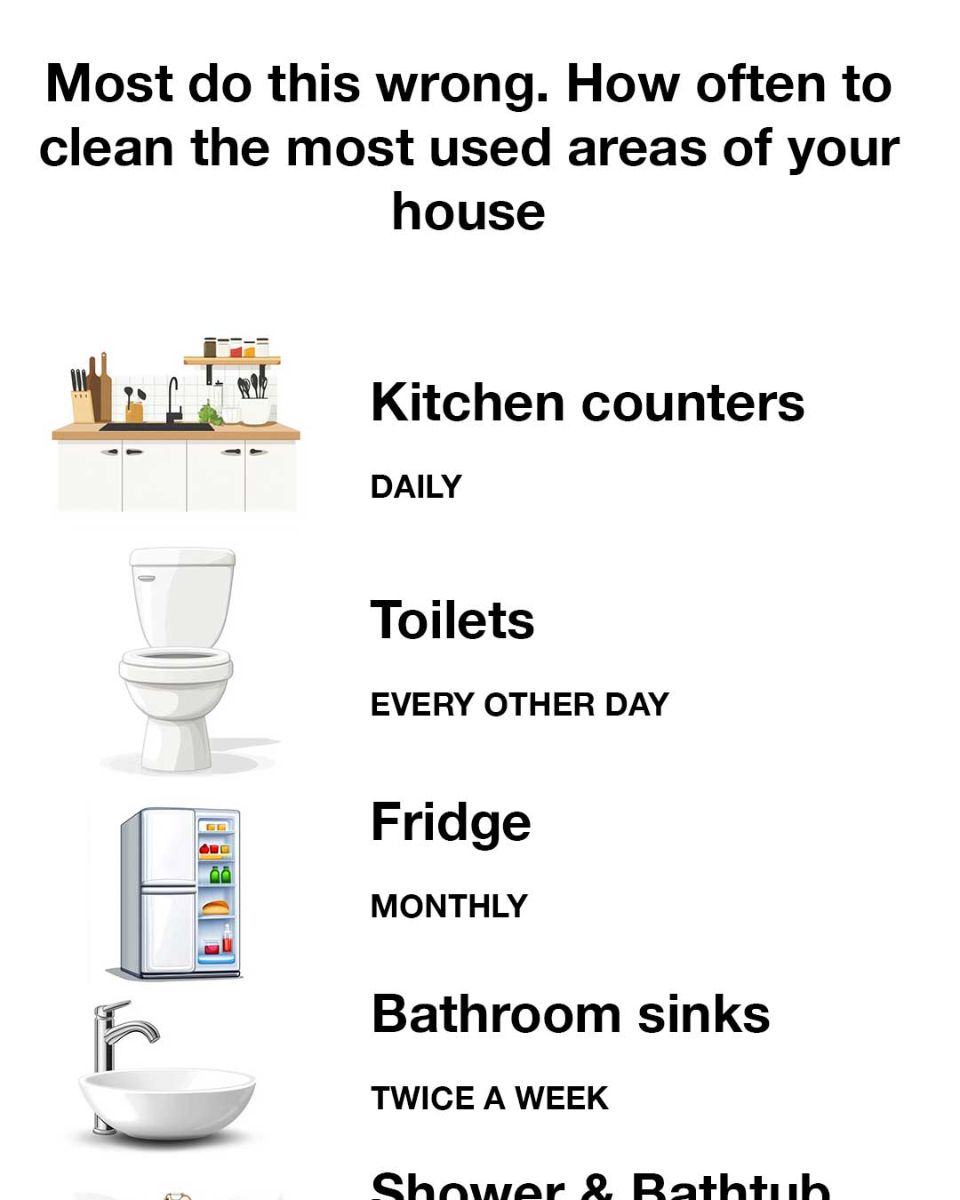
Cleaning is not just about aesthetics; it’s a crucial part of maintaining a healthy living environment. Regular cleaning helps prevent the buildup of dust, allergens, and germs that can lead to health issues. Understanding the right frequency for cleaning different areas of your home ensures that you maintain a space that is not only clean but also safe for you and your family. By establishing a consistent cleaning schedule, you can minimize the spread of bacteria and viruses, reduce allergy symptoms, and prolong the life of your household items.
Common Misconceptions About Cleaning
Many people believe that cleaning is a once-a-week chore, but this is a misconception. Different areas of the home require different cleaning frequencies based on their usage and exposure to dirt and germs. For instance, while some areas like kitchen counters need daily attention, others like windows can be cleaned less frequently. Understanding these differences can help you allocate your time and resources more effectively, ensuring that your home remains clean without unnecessary effort.
Advertisement
Why Most People Get Cleaning Frequency Wrong
The main reason people get cleaning frequency wrong is a lack of awareness about how quickly dirt and germs can accumulate. Busy lifestyles often lead to neglecting cleaning tasks, or people may underestimate the importance of regular cleaning. Additionally, some may not realize the health implications of infrequent cleaning, such as increased allergy symptoms or the spread of illnesses. By educating yourself on the proper cleaning schedules, you can avoid these pitfalls.
The Impact of Incorrect Cleaning Practices
Incorrect cleaning practices can lead to a variety of problems, including the spread of germs, unpleasant odors, and even damage to household items. For example, neglecting to clean the refrigerator regularly can lead to food spoilage and odors, while not cleaning the bathroom frequently enough can result in mold growth. These issues not only affect the cleanliness of your home but can also have financial implications, as they may lead to costly repairs or replacements.
Guide to Cleaning Frequency for the Most Used Areas of Your House
To maintain a clean and healthy home, it’s important to understand the specific cleaning needs of different areas. This guide provides a detailed breakdown of how often you should clean the most used areas of your house, ensuring that you keep germs at bay and maintain a pleasant living environment.
1. Kitchen Counters: Daily Maintenance for Hygiene
Kitchen counters are a hotspot for bacteria due to their constant use for food preparation. Wiping them down daily with a disinfectant helps prevent the spread of germs and keeps your kitchen hygienic. Pay special attention to areas where raw meat is prepared to avoid cross-contamination.
2. Bathroom Sinks: Twice a Week for Germ Control
Continue Reading in next page
Pages: 1 2
