
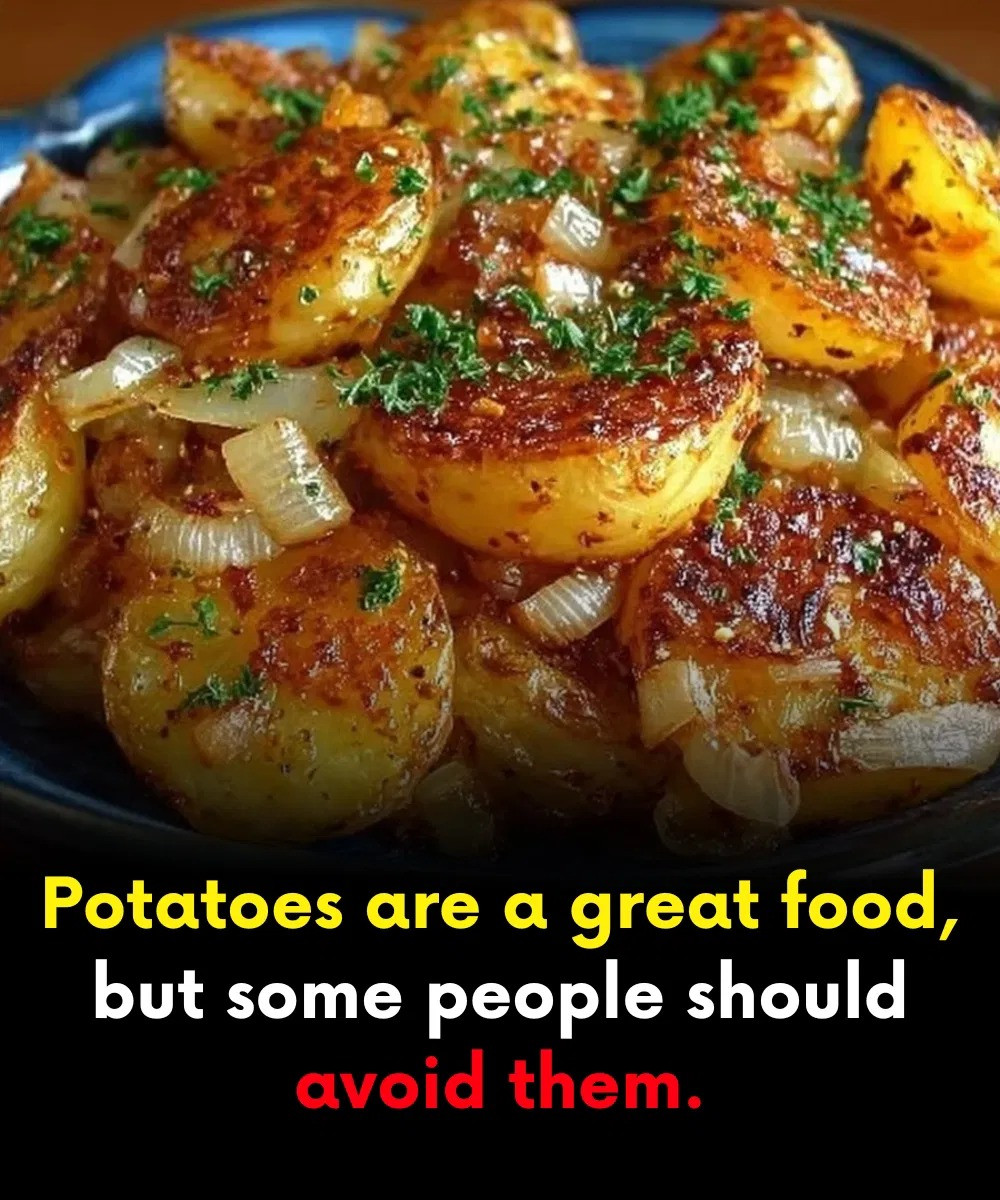
Potatoes: Comforting and versatile, they’re a staple in many beloved dishes and often stir up fond childhood memories.
But while they hold a special place on our plates, potatoes aren’t ideal for everyone. Certain health conditions require a bit of extra care when it comes to enjoying them.
Do you fall into one of these categories? Here’s what to keep in mind so you can continue savoring potatoes without compromising your well-being.
Diabetes and Blood Sugar: Mind the Spikes
If you have diabetes or struggle with blood sugar fluctuations, be cautious—potatoes, particularly when fried or roasted, can lead to rapid increases in glucose levels due to their high glycemic index. That doesn’t mean they’re off-limits, though.
Try eating them in moderation, preferably boiled or steamed, and always pair them with protein or fiber-rich vegetables to help reduce their impact on your blood sugar.
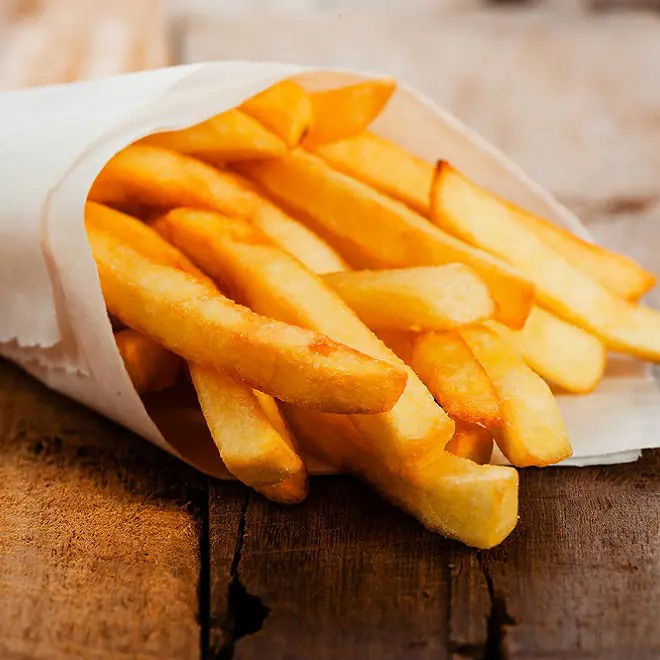
Weight Management: Cooking Makes All the Difference
Trying to lose weight or simply eat lighter? You don’t have to banish potatoes from your diet. The key is in how you prepare them.
Ditch the fries and chips, and instead opt for boiled or steamed versions with a touch of olive oil and some fresh herbs. Add a colorful salad or crisp vegetables on the side for a complete, satisfying, and nutritious meal.
Sensitive Digestion? Focus on Proper Cooking
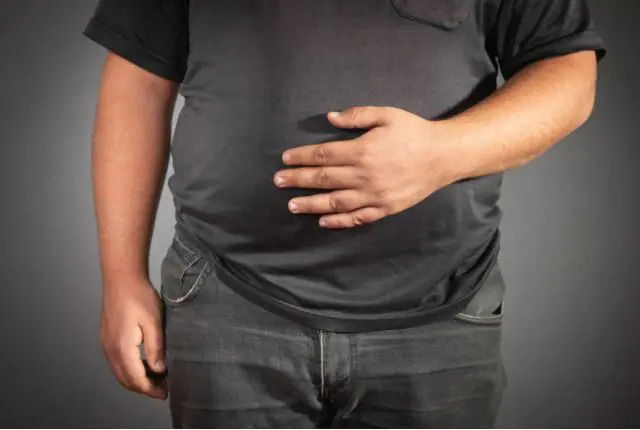
Do you often experience bloating or stomach discomfort after eating? Improperly cooked potatoes—either underdone or too greasy—can irritate sensitive stomachs or conditions like irritable bowel syndrome (IBS).
Make sure your potatoes are thoroughly cooked, and notice how your body reacts. A few simple tweaks in preparation can ease digestion significantly.
Allergic Reactions: Rare but Worth Checking
Though uncommon, some individuals may have sensitivities or mild allergic reactions to certain compounds in potatoes. If you notice symptoms like itching, skin redness, or breathing difficulty after eating them, it might be a sign of intolerance. In such cases, consult a healthcare provider to determine the right dietary adjustments.
Heart Health: Say No to Greasy Versions

If you’re managing cholesterol or cardiovascular concerns, how you prepare your potatoes matters most. The vegetable itself isn’t harmful, but when it’s fried or drenched in heavy sauces, the risks increase.
Opt for lighter methods like steaming or baking, and pair with heart-friendly foods like oily fish or avocado for a balanced meal.
