
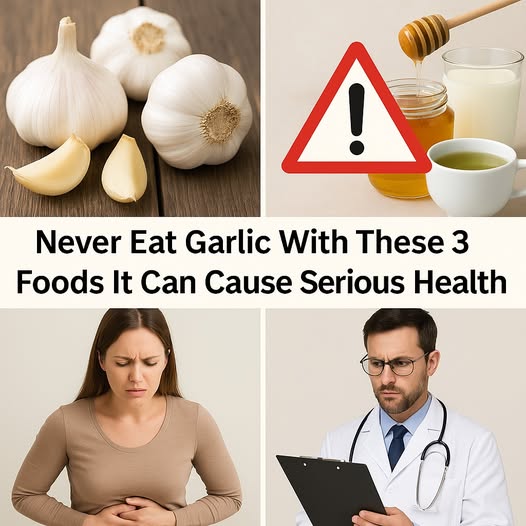
Risks: Large amounts of garlic along with NSAIDs like ibuprofen or naproxen can increase the vulnerability of your stomach to gastric ulcers and gastrointestinal distress. Garlic can irritate the stomach lining, and when combined with the erosive effects of NSAIDs, the risk is amplified.
Advice: If you regularly take NSAIDs, it may be a good idea to limit garlic consumption, especially in raw form, to avoid potential gastrointestinal issues.
3. Other Foods with Potent Anticoagulant Properties
Risks: Foods like ginger, turmeric, and Ginkgo biloba also have blood-thinning effects. When eaten in large quantities along with garlic, the risk of bleeding might increase, especially for individuals who are susceptible or have bleeding disorders.
Advice: Maintain a balanced diet and be cautious about consuming multiple natural anticoagulants in high doses at the same time. If your diet regularly includes these foods, keep your healthcare provider informed and monitor your health for signs of excessive bleeding, such as bruising or bleeding gums.
- Moderation is Key: Like with most things, moderation is crucial. Enjoy garlic and its health benefits without overconsumption.
- Consult Your Doctor: Especially if you have underlying health conditions or take medications that might interact with high garlic consumption, it’s always best to consult with a healthcare professional.
- Be Aware of Symptoms: If you experience unusual symptoms like excessive bruising, bleeding, stomach discomfort, or indigestion after consuming garlic with any of the above, consider reducing your intake and seeking medical advice.
Remember, while garlic is safe for most people and offers numerous health benefits, being mindful of its interactions with certain medications and other foods with similar properties can help you avoid potential negative side effects.
